Suitcases Full of History: How Eastern European Diaspora Collections Are Rewriting American Memory
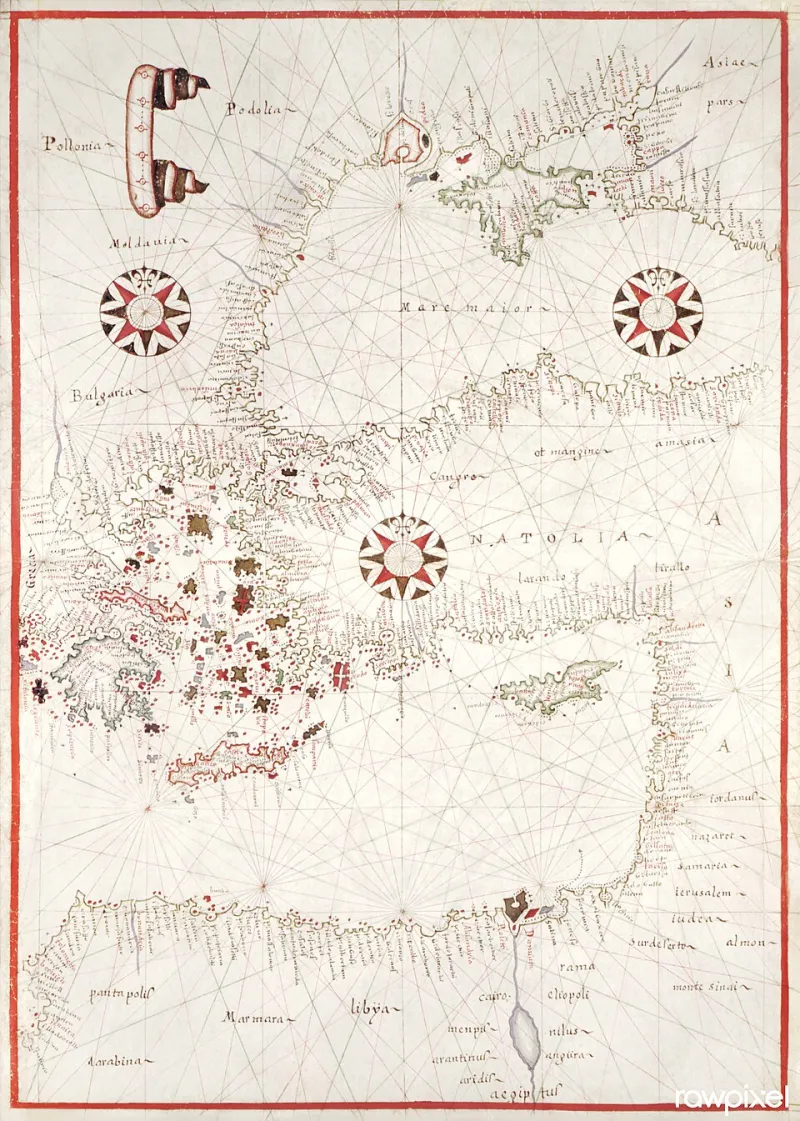
Photo: Rawpixel Ltd, CC BY 2.0, via Wikimedia Commons
In a climate-controlled reading room at the Immigration History Research Center at the University of Minnesota, a researcher carefully unfolds a letter written in Ukrainian sometime in the early 1920s. The paper is brittle, the ink faded to a warm amber, and the handwriting dense with the compressed urgency of someone who understood that correspondence could be interrupted at any moment. The letter was donated decades later by the writer's granddaughter, who had kept it in a shoebox beneath her bed in Cleveland. It is now part of a growing body of material that archivists are calling one of the most significant — and most neglected — sources for understanding both Eastern European history and the American immigrant experience.
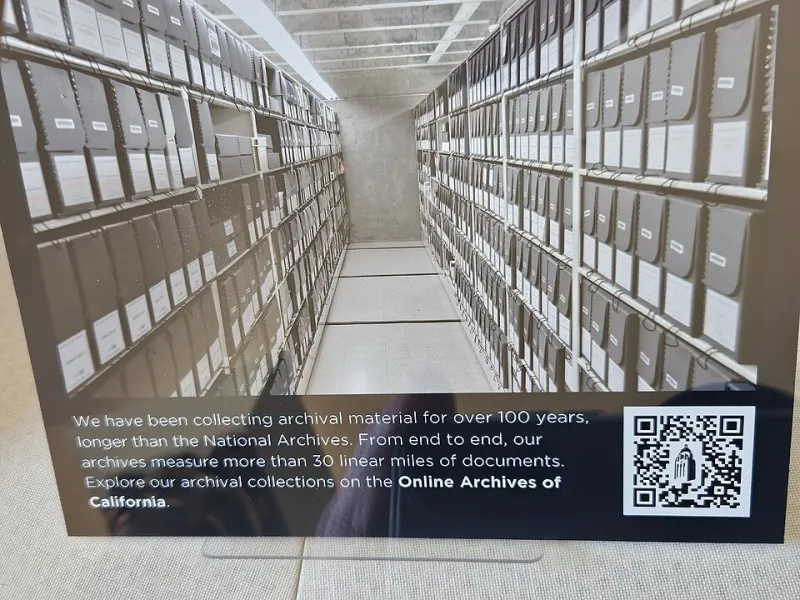
For generations, institutional archives in the United States prioritized the records of governments, corporations, and prominent individuals. Personal papers from working-class immigrant families, particularly those who arrived from Eastern Europe during the great waves of migration between the 1880s and the 1920s, were rarely solicited and almost never systematically preserved. That oversight is now being recognized as a profound gap in the historical record, and a growing coalition of universities, ethnic cultural organizations, and municipal historical societies is working to address it — though the work is complicated, underfunded, and frequently racing against the mortality of the communities that hold these materials.
The Scale of What Has Been Lost — and What Remains
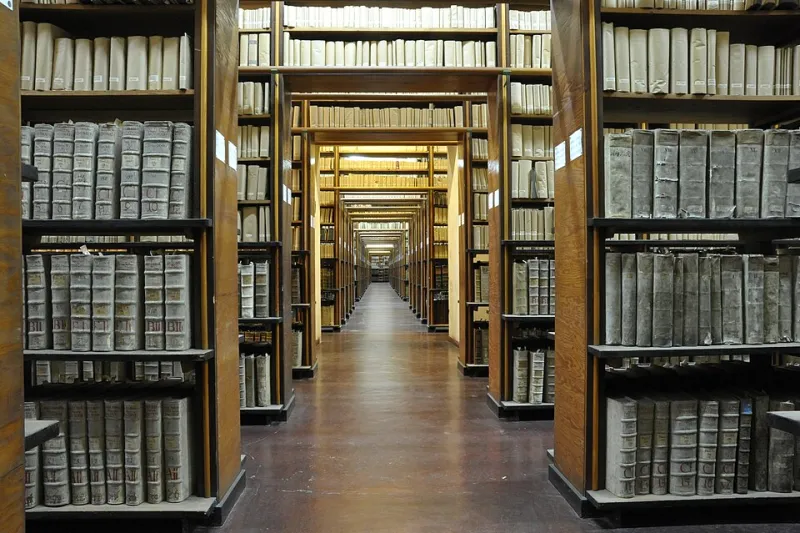
Estimates of how much diaspora material has already been discarded are, by their nature, impossible to verify precisely. What archivists can document is the scope of what survives in private hands. The Polish American Historical Association has identified thousands of uncatalogued collections held by parishes, fraternal organizations, and individual families across the industrial Midwest and Northeast. The Ukrainian Institute of America in New York City maintains holdings that range from the papers of prominent émigré intellectuals to the mundane but irreplaceable receipts, union cards, and church bulletins of ordinary laborers. Similar repositories exist for Czech, Slovak, Carpatho-Rusyn, and Lithuanian communities, though their institutional stability varies enormously.
What makes these materials historically significant is precisely their ordinariness. Official immigration records document arrivals and departures; diaspora archives document lives. A collection recently acquired by the Balch Institute collections at the Historical Society of Pennsylvania, for instance, includes correspondence between a Slovak steelworker in Pittsburgh and his family in a village that no longer exists under its original name. The letters describe working conditions, neighborhood tensions, union organizing, and the slow negotiation of a new identity — none of which appears in any government document.
Methodological Challenges and Ethical Obligations
The acquisition of diaspora materials raises questions that archivists and historians are still working through. Chief among them is the question of community authority. Traditional archival practice has often treated donors as sources rather than stakeholders, acquiring materials and then interpreting them according to the institutional priorities of the receiving organization. Scholars working with Eastern European diaspora communities have increasingly argued that this model is inadequate.
At the Tamiment Library at New York University, archivists have developed consultation protocols that involve community organizations in decisions about how collections are described, what access restrictions apply, and how digitized materials are presented online. The process is slower and more resource-intensive than conventional acquisition, but it has produced results that purely institutional approaches could not. A collection of materials from a Ukrainian labor organization, processed in collaboration with a diaspora cultural group in New Jersey, yielded contextual information that archivists would have had no way to supply independently — including the identification of individuals in photographs and the clarification of organizational acronyms that appeared in no published source.
There are also harder questions about what happens when diaspora archives contain materials that complicate national narratives. Eastern European history in the twentieth century is marked by episodes of extraordinary violence, collaboration, displacement, and political compromise. Personal archives sometimes preserve evidence of all of these. Archivists must navigate the competing claims of historical completeness, community sensitivity, and scholarly integrity — frequently without the benefit of established precedent.
What These Collections Are Revealing
Beyond the methodological debates, the substantive historical discoveries emerging from diaspora archives are reshaping scholarly understanding in concrete ways. Research drawing on personal correspondence and organizational records from Polish and Jewish communities in Chicago has complicated earlier accounts of interethnic relations in urban industrial neighborhoods, revealing both cooperation and conflict that neither group's official history had fully acknowledged. Materials from Carpatho-Rusyn fraternal organizations have provided new evidence for debates about national identity that remain politically sensitive in Central Europe today.
Perhaps most significantly, diaspora archives are supplying a layer of documentation for Eastern European history that was systematically destroyed or suppressed under Soviet and Nazi occupation. Village records, religious documents, and personal papers that emigrating families carried with them in the early twentieth century sometimes represent the only surviving evidence of communities that were subsequently obliterated. A collection held by a Lithuanian American family in Boston was recently identified as containing pre-war correspondence that illuminates the organizational structure of a community whose physical records were destroyed during the German occupation. The letters exist nowhere else.
The Institutional Response
American memory institutions are responding to this archival frontier with varying degrees of urgency and resources. A small number of major research universities — Minnesota, Pittsburgh, and Illinois among them — have long-standing programs dedicated to immigrant and ethnic archives. For most institutions, however, diaspora collections remain a secondary priority, acquired opportunistically rather than systematically.
The practical barriers are substantial. Processing personal archives is labor-intensive; materials often arrive in multiple languages that require specialized expertise; and the communities that hold them are frequently located far from major research centers. Grant funding for this work exists but is competitive and inconsistent. Several initiatives that began with significant momentum in the 2010s have stalled as funding cycles ended.
Nevertheless, the field is moving. Digital platforms are enabling smaller institutions to participate in preservation work that was previously accessible only to well-resourced universities. Collaborative projects between American repositories and European national archives are creating new possibilities for contextualizing diaspora materials against the records that remained in the countries of origin. And a younger generation of archivists, many of whom have personal connections to Eastern European diaspora communities, is bringing both scholarly rigor and community relationships to the work.
The shoebox beneath the bed in Cleveland is not a metaphor. It is a recurring reality that archivists encounter across the country — materials of genuine historical significance held by families who are uncertain whether anyone will value them, waiting for an institution willing to make the case that they matter. Increasingly, American memory institutions are making that case. The history they are recovering is not a supplement to the American story. It is a constitutive part of it.